


Please Leave Us A Message
Privacy statement: Your privacy is very important to Us. Our company promises not to disclose your personal information to any external company with out your explicit permission.
 Zhejiang Dongri Valve Co., Ltd.
Temperature sets the floor, but the medium writes most of the spec sheet: flammable LNG needs cavity relief and fire-safe design, oxidizing LOX demands oxygen cleaning and forbidden materials, and inert LIN or LAr is the simplest lineup of the group. This spec comparison covers the fluids actually ordered for air-separation and LNG plants — plus ethylene at -104°C, a medium cold enough to knock 3.5% nickel steel off the shortlist. Zhejiang Dongri Valve Co., Ltd. builds each cryogenic Ball Valve to the medium, not just the temperature.
Group the fluids by hazard behavior — fuel, oxidizer or inert — and the material, seat and testing deltas follow logically instead of from a datasheet footnote.
| Medium | Design temp | Body material | Seat | Medium-driven extras |
| LNG (methane) | -162°C | CF8M / F316; 9% nickel A352 LC9 for larger bores | PCTFE, spring-assisted | Cavity relief mandatory; API 607 fire-safe; ATEX-rated actuators; ISO 15848-1 fugitive emission class |
| LOX | -183°C | CF8M / forged F304 — copper alloys prohibited | PTFE or PCTFE, oxygen-compatible | Oxygen cleaning to ASTM G93 / CGA G-4.1; zero hydrocarbon residue; non-sparking operation |
| LIN | -196°C | CF8M / F316; 9% nickel acceptable | PCTFE / nylon | ISO 28921-1 extended bonnet; LN2 cycle test with cold leak check |
| LAr | -186°C | Same family as LIN | PCTFE | As LIN, one step milder floor |
| Ethylene | -104°C | 9% nickel or stainless — LF3 3.5Ni stops at -101°C | PCTFE | Cavity relief; odorized-gas emission limits; ATEX |
Note the absent column: no medium above takes a Metal Hard Sealed Ball Valve — hard-faced metal-to-metal seats lose preload as parts shrink at different cryogenic rates, so that family stays on the 400°C+ flue-gas and slurry side of the catalog. Three deltas instead decide most cryogenic ball valve orders:
✅ Bottom line: Inert LIN and LAr reward simple stainless specs; fuel media charge extra for relief paths and fire tests; oxidizer media charge for cleaning documents.
The seat is the first component you re-specify in any cryogenic ball valve medium selection guide ethylene LNG nitrogen or oxygen: the same PCTFE disc that seals methane happily becomes a contamination or ignition question in oxygen service.
Dongri tests each configuration at its medium's temperature — LN2 cycles for nitrogen and argon service, oxygen-clean assembly rooms for LOX orders — and returns MTRs, cleaning bulletins and cold leak-check reports with every OEM/ODM shipment from our China factory, including wholesale program packages for air-gas and LNG projects.
✅ Bottom line: In oxygen, specify PTFE-family seats plus cleaning proof; in fuels, specify PCTFE plus relief paths — inert media let you pick either.
Q: Can a valve built to the LIN spec ship in LNG service? A: Metallurgically yes — both reach -196°C territory — but the LNG duty needs the cavity-relief design, fire-safe qualification and ATEX actuator package the LIN quote skipped. Close that gap before ordering, not after commissioning, using this cryogenic ball valve specification comparison for LNG LOX LIN and LAr media.
Q: Why does a -101°C-tested valve fail on ethylene at -104°C? A: Charpy impact qualification is a floor, not a slope. LF3 / A350 LF3 toughness is demonstrated at -101°C per MSS SP-134 practice; below that line the material has no certified fracture resistance, so a forged steel ball valve in LF3 is as unqualified on ethylene as any -100°C-rated part. Move to 9% nickel or F316.
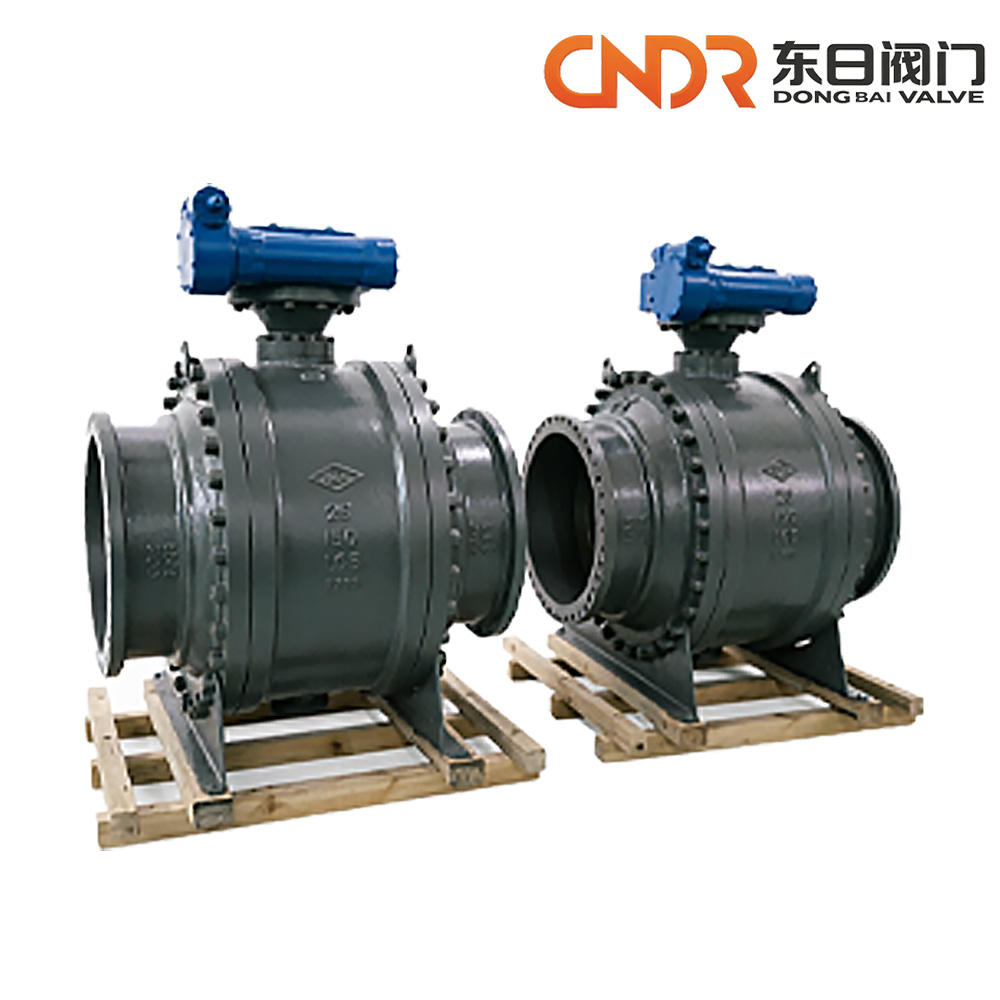
Q: Does the medium change actuator sizing too? A: Yes, twice over: cryogenic torque rise (breakaway up roughly 25% below -30°C) plus medium rules — oxygen lines favor clean pneumatic packages, LNG blocks require certified electrical equipment for hazardous areas, and a trunnion mounted ball valve mainline valve still needs a gear train or hydraulic unit its nitrogen cousin does without. Zhejiang Dongri Valve Co., Ltd. sizes every automated option on cold-tested torque for its exact medium.
Send the fluid, design temperature and line size — Dongri's engineers return the matching ball valve configuration from this cryogenic ball valve specification comparison for LNG LOX LIN and LAr media logic, with the test and cleaning dossier its medium requires. Free OEM/ODM configuration and wholesale quotes direct from our China factory.
Email: 241126365@qq.com
Mobile: +86 13777730323
Website:www.zjdrvalve.com
Email to this supplier
Privacy statement: Your privacy is very important to Us. Our company promises not to disclose your personal information to any external company with out your explicit permission.
Fill in more information so that we can get in touch with you faster
Privacy statement: Your privacy is very important to Us. Our company promises not to disclose your personal information to any external company with out your explicit permission.