Valve is a critical component in various industrial and engineering applications, especially in environments where extreme temperatures and precise flow control are essential. Among the most advanced types of
Valves designed for such conditions are cryogenic ball valves, freeze-resistant
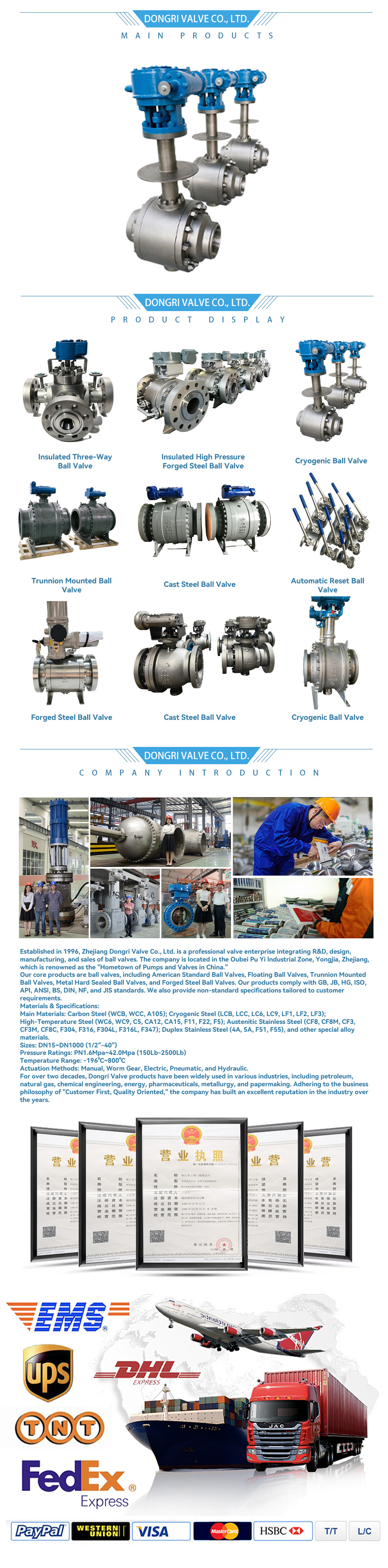
Ball Valve designs, and cryogenic flow control valve systems. These specialized valves are engineered to operate efficiently in low-temperature environments, ensuring reliable performance and long-term durability. Whether it's for liquid nitrogen, liquid oxygen, or other cryogenic fluids, these valves provide optimal control and safety in challenging settings. The Cryogenic Ball Valve Optimization represents a significant advancement in valve technology, focusing on enhancing efficiency, reducing leakage, and improving overall system performance. This type of valve is specifically designed to handle the unique challenges posed by cryogenic temperatures, including material contraction, thermal stress, and potential freezing of internal components. The optimization process involves careful selection of materials, precise manufacturing techniques, and rigorous testing to ensure that the valve can maintain its integrity and functionality under extreme conditions. Freeze Resistant Ball Valve Design addresses the common issue of ice formation within the valve body, which can lead to operational failures and maintenance complications. By incorporating advanced sealing mechanisms and thermal insulation features, these valves prevent the buildup of ice and ensure smooth operation even in sub-zero environments. The design also includes special coatings and materials that resist corrosion and wear, further extending the lifespan of the valve and reducing the need for frequent replacements. Cryogenic Flow Control Valve System is an integrated solution that combines precision engineering with robust construction to manage the flow of cryogenic fluids with high accuracy. These systems are often used in industries such as aerospace, energy, and chemical processing, where maintaining consistent flow rates and pressure levels is crucial. The system includes multiple components working in harmony, including actuators, sensors, and control units, all designed to function reliably in low-temperature conditions. Key features of these valves include their ability to withstand extreme temperature fluctuations, resistance to thermal shock, and minimal leakage even under high-pressure conditions. They are constructed from high-grade materials such as stainless steel, Inconel, and other alloys that retain their structural integrity at very low temperatures.


 Zhejiang Dongri Valve Co., Ltd.


 Contact Now